
- Call Us 1 306-745-2711
-
Follow Us

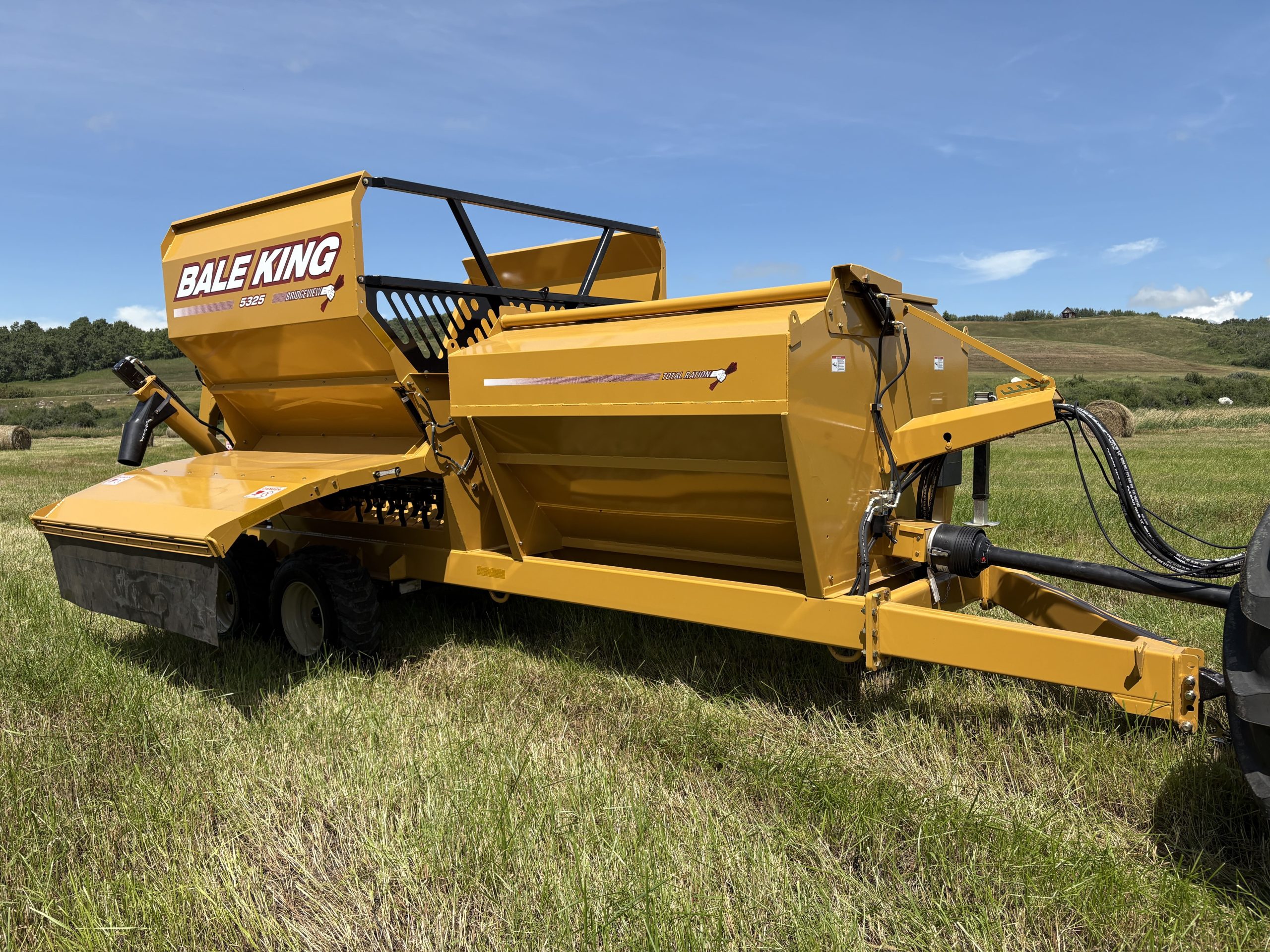
Bale King Maintenance Tips: Common Wear Parts to Inspect
You work hard, and your farming equipment works even harder. And despite the fact that our Bale King processors are built for ongoing and heavy-duty use, routine inspections and maintenance is needed to ensure you can keep your equipment functioning optimally.
If parts do show signs of wear, or if your processor isn’t working as hard as you’d like it to, then you’re probably dealing with a machine that’s in need of maintenance or part replacement. So let’s take a look at some common issues to keep an eye on and maintenance tips to keep your operation running smoothly.
Flails, Bolts and Bushings
Bale King processors are built to last, but like all machinery, maintenance will at some point be required. With that in mind, a few parts of your processor to regularly check include the flails, bolts and bushings.
These areas can experience wear over time and should be inspected regularly to ensure they’re still operating properly. Routine maintenance for these parts can look like:
- Regularly inspecting flails, bolts and bushings.
- Looking for excessive wear, damage or broken flails.
- Broken flails can cause the rotor to become unbalanced and create excessive vibration.
- Excessively worn components should be replaced rather than left until failure.
- When replacing flails, we recommend replacing them in opposite pairs to maintain rotor balance.
Regular inspections of these components can help make replacement and repair smoother, as you can often identify an issue before a component completely fails.
Bearings and Moving Components
Bearings and moving components of your Bale King processor aren’t necessarily the first parts to wear. However, they are important components to routinely inspect for emerging issues.
When completing inspections or routine maintenance on your machine, check lubrication, watch for changes in how the processor operates, such as unusual vibrations, and keep areas around the bearings clear of material buildup. You should also follow the maintenance schedule for your specific Bale King model that’s outlined in your manual.
If you aren’t sure what a maintenance routine might look like for your specific model, you can consult Bridgeview Manufacturing’s online manual library.
PTO and Driveline Components
Your Bale King processor’s PTO and driveline components are important inspection areas, as they transfer a lot of power during operation.
While these areas may require professional maintenance, potential warning signs of an issue include visible damage, unusual vibration, spread yokes or a twisted drive shaft.
Overall, keeping an eye out for visible damage or changes in operation can help identify emerging issues before your processor actually stops working.
Hydraulic Components
Routinely inspecting your machine’s hydraulic components for visible damage, wear or leaks can help keep your Bale King operating optimally.
Because hydraulic systems and components vary between Bale King models, the maintenance schedule for your specific processor may be different from that of another model.
To ensure you’re checking your hydraulic components at the appropriate time, consult your model’s operating manual or contact a dealer.
When Should You Replace Bale Processor Wear Parts?
Replacement and maintenance schedules vary by model, but the key takeaway as an operator is to avoid waiting until complete failure occurs. Instead, get to know your machine and conduct routine inspections to watch for visible or audible signs of excessive wear, damage, broken components, leaks or other issues.
If you aren’t sure what to look for or whether a component needs replacing, check your model’s manual or contact your nearest authorized Bale King dealer for parts and service.