
- Call Us 1 306-745-2711
-
Follow Us

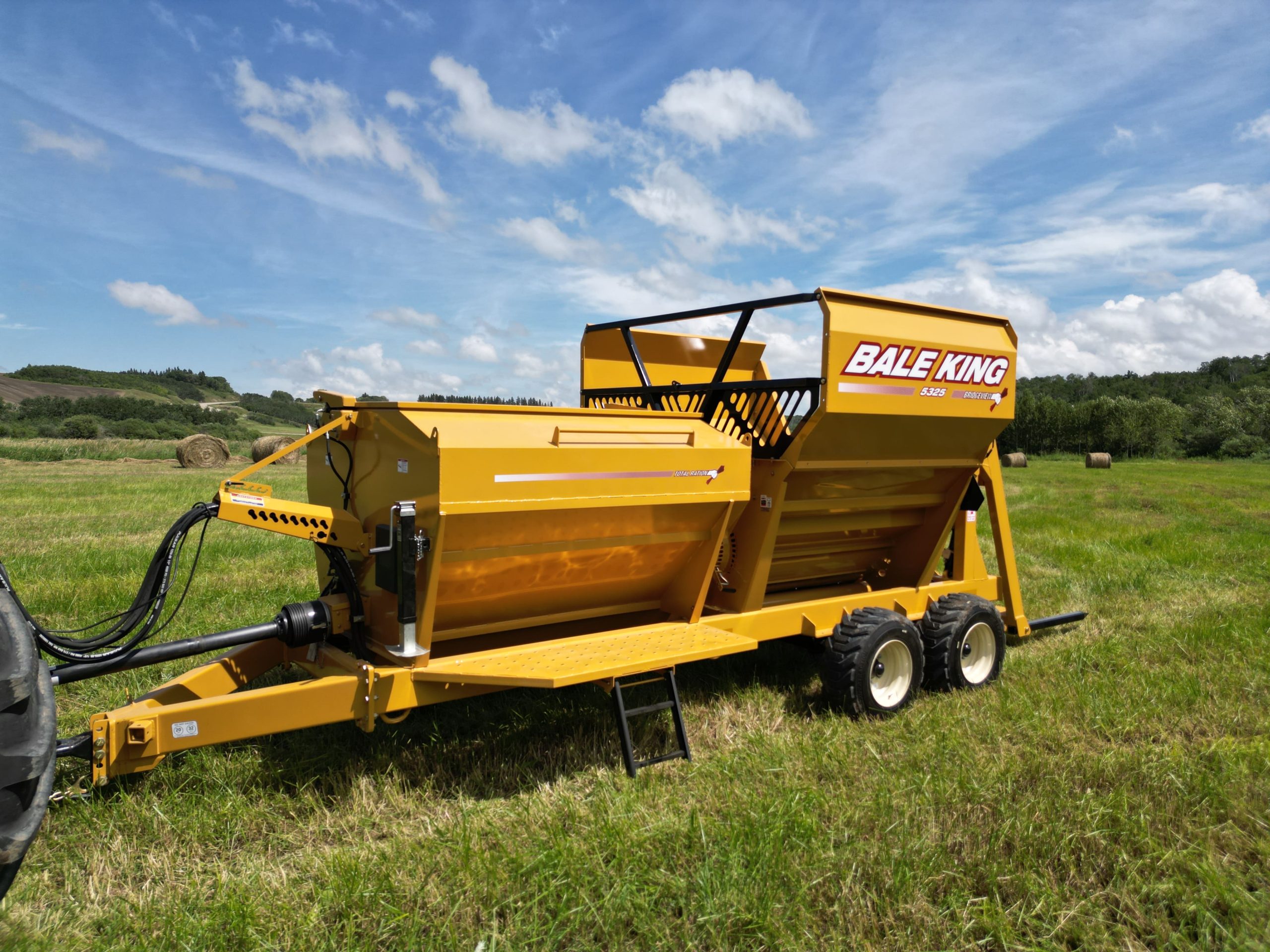
Bale Processor Maintenance Tips for Reliable Daily Operation
Cold weather isn’t just hard on you—it’s hard on your equipment, too. If you rely on a bale processor to keep feed flowing and bedding laid through snowy months, taking time now to inspect and service your bale processor can pay big dividends in reliability and performance when you need it most.
Whether you’re feeding out hay, shredding straw for bedding, or hustling through daily chores, a little effort on bale processor maintenance now could be the difference between smooth winter operations and frustrating breakdowns.
Why Winter Prep Matters
Bale processors work hard—chewing through tough bales, pushing forage and bedding through rotors, and lugging around heavy material. That constant stress leads to wear on key parts like PTO driveline components, flails, bearings, hydraulics, and more. Regular bale processor maintenance isn’t just something on a checklist—it’s the best way to keep your machine dependable through cold, wet, and snowy conditions.
But winter adds another layer of challenges: freezing temperatures can stiffen lubricants, make hoses brittle, encourage moisture build-up in gearboxes, and generally accelerate breakdowns if a machine isn’t prepared. That’s where thoughtful bale processor maintenance comes in.
Essential Maintenance Steps for Your Bale Processor
1. Start with a Good Clean & Inspection
Before the snow flies, walk around your bale processor and give it a thorough once-over. Remove leftover twine, net wrap, and crop debris from the chamber and rotor area—these can hold moisture and trap dirt, which speeds corrosion and wear.
Check over the frame, flails, and fasteners. Look for cracks, missing bolts, bent parts, or anything that looks worn. If something’s on its last legs now, it’s far better to fix it before ice and snow make outdoor servicing miserable (or impossible).
2. Grease, Lube & Protect Moving Parts
Cold weather is relentless on bearings, joints, the PTO shaft, hydraulic components, and greased linkages. Before winter sets in:
- Grease all fittings and U-joints to push out moisture and protect against rusting
- Top up or change out any gear oil per your machine’s manual
- Check hydraulic hoses for cracks or brittleness and replace them while access is easy
Proper lubrication ensures parts move smoothly—even when temperatures plunge—and prevents the kind of freeze-up that’ll stop your machine dead in its tracks.
3. Check Chains & Driveline Components
The PTO shaft is your processor’s power highway. Cold weather can make worn or tired parts fail fast—especially chains and driveline couplings.
- Inspect the PTO shaft for straightness, wear, or damage
- Confirm that safety shields are tight and intact
- Replace any worn chains ahead of time
- Use low-temperature grease in the PTO shaft, especially in the telescopic slide
Treat these checks as part of bale processor maintenance, not just winter prep—finding issues before they break saves time, frustration, and costly downtime.
4. Warm It Up (Literally)
If you’re using your bale processor in sub-zero conditions, take a few minutes before putting it under load to let oil, grease, and fluids warm up with the tractor running. Your gearboxes and hydraulics will thank you—this brief warmup gives circulating oil a chance to flow and reduces strain on components once they’re working hard. Running your chain conveyor or bale rollers is a great way to warm up your tractor and processor.
5. Storage: Shelter Matters
In the off-season, where you park it matters. Indoor storage is ideal, protecting paint, bearings, and hydraulics from ice and moisture. If indoor space isn’t an option:
- Park on a firm, dry surface, preferably in a shaded area
- Ensure drain holes in the bottom of the processing chamber are free from debris
- Park with all hydraulic cylinders closed where possible. Where impractical, coat the cylinder shafts with a thin film of grease to protect against corrosion
A little attention now makes spring startup easier and helps extend your processor’s lifespan.
6. Lean on the Manual
Manufacturers know their machines best. Your operator’s manual and parts guides aren’t just for new owners—they’re your roadmap to the right fluids, lubrication points, torque specs, service intervals, and care tips. When you’re maintaining your bale processor equipment, refer back to those manuals—they’ll tell you exactly how often to inspect certain components and what specs to use.
Putting It All Together
Maintaining your bale processor doesn’t need to be a huge chore—but doing it right makes a huge difference in performance, reliability, and your own sanity during the busiest months of the year. Think of it as preventative care: a few hours of attention now means less time in cold grease pits later and more reliable operation when the herd still needs to be fed, and bedding still needs to be spread.
Routine bale processor maintenance is the heartbeat of a long-lasting machine. When you pair that with regular maintenance, your bale processor is primed not just to survive winter, but to thrive through it.
Ready for a season with fewer headaches and breakdowns? Start with winter prep, and your everyday operations will thank you next spring.
Contact Bridgeview Manufacturing for more information.