
- Call Us 1 306-745-2711
-
Follow Us

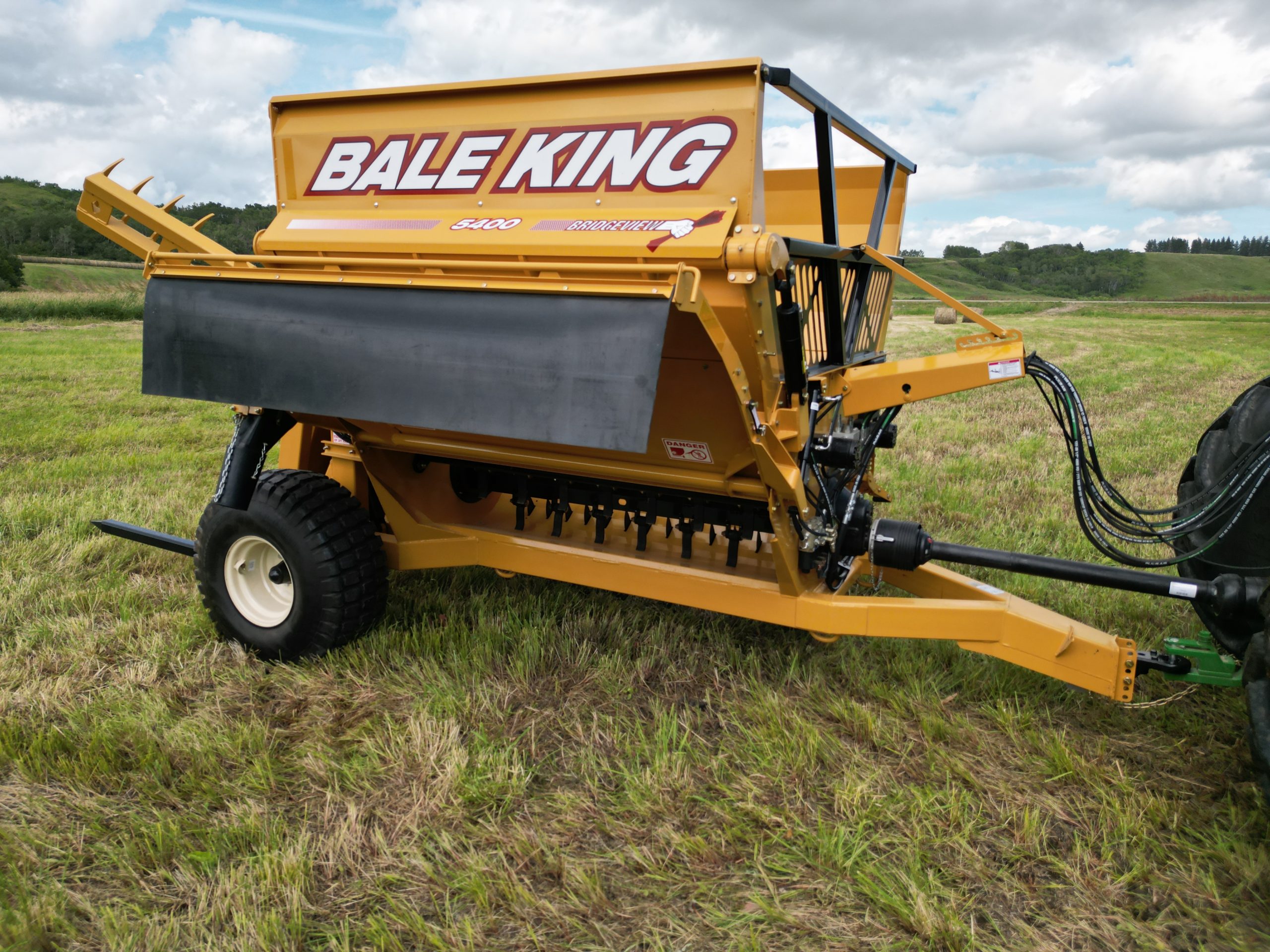
Bale Processor Problems: Troubleshooting Common Issues and Fix Them Fast
Your bale processor is one of the most important pieces of equipment in your yard. Whether you’re processing hay for feed or spreading straw for bedding, you need a machine that performs every single time you put it to work.
However, even the toughest equipment can face challenges in demanding conditions. Understanding bale processor problems and knowing how to handle them can be the difference between a quick chore and a long, cold afternoon of repairs.
At Bridgeview, we design our Bale King line to be the most rugged and user-friendly processors on the market, but proper maintenance is still the key to longevity. Here is our bale processor troubleshooting guide to help you identify common issues and fix them fast.
Common Bale Processor Problems
Problem #1: Bale Processor Keeps Plugging
There is nothing more frustrating than a stalled rotor. Plugging usually occurs when material is fed into the chamber too quickly or when the bale’s moisture content is higher than expected.
The Fix: Start by checking your slug bars (also called restrictor bars). If they’re set too deep, they may be grabbing too much material at once. Back them off slightly to allow for a more consistent flow. Ensure your tractor is maintaining the correct 1000 RPM PTO speed—a drop in power often leads to a buildup of uncharged material.
Problem #2: Uneven Feed or Poor Bale Breakdown
If your windrow looks patchy or the machine is struggling to chew through a bale, you likely have an issue with the flails. Troubleshooting bale processor performance often starts right here at the rotor.
The Fix: Inspect the rotor for missing or damaged flails. Even one or two missing flails can cause a significant imbalance, leading to vibration and uneven processing. While you’re at it, check the flail nuts and bolts—if these are worn or the lock nut is no longer securing the flail properly, it is time for a replacement.
Problem #3: Excessive Twine Wrapping on the Rotor
Twine and net wrap are the enemies of moving parts. When twine builds up on the rotor or around the bearings, it creates friction, generates heat, and can eventually lead to bearing failure.
The Check: While Bale King processors are designed for easy twine removal, buildup can still happen if the twine isn’t cleared regularly.
The Fix: Make it a habit to clear twine regularly. Use a twine cutter or a torch (carefully!) to remove any remnants of mesh or string from the rotor and flails. This will reduce drag on your tractor and prevent your bale processor from overheating.
Problem #4: Bale Processor Is Slow or Underperforming
If the machine feels sluggish or the discharge isn’t reaching its usual distance, the culprit is often the hydraulic system or the drive belts.
The Fix: Check your hydraulic fluid levels and the condition of your hoses. Cold weather can cause hoses to crack or degrade, leading to pressure drops. Inspect the drive belts for fraying or glazing. A slipping belt won’t transfer the power needed to throw the material effectively. Ensure your hydraulic couplers are clean and fully seated to maintain maximum flow.
Problem #5: Excessive Wear or Frequent Breakdowns
If it feels like you’re replacing parts every few weeks, the issue might be structural or lubrication-based.
The Fix: Grease is the cheapest mechanic you’ll ever hire. Lubricate all U-joints on the PTO shaft, wheel bearings, and pivot points daily. Inspect the PTO shaft shielding as well. Damaged shields aren’t just a safety hazard—they can allow debris to enter the U-joints and cause premature failure. Finally, check the frame for stress cracks or loose bolts that could be causing misalignments.
Preventative Tips to Avoid Most Bale Processor Problems
The best way to fix a problem is to prevent it from happening in the first place. Follow these tips to avoid the most common bale processor problems:
- Pre-Season Inspection: Before the busy season begins, check every flail, hose, and belt.
- PTO Maintenance: Keep the PTO shaft greased and ensure it’s the correct length for your tractor to avoid bottoming out on uneven terrain.
- Clean the Chamber: Don’t let old, wet hay sit in the bottom of the tub. It can freeze the rotor in place or cause rust.
- Listen to Your Machine: Most bale processor problems start with an unusual vibration or sound. Investigate those noises before they turn into a breakdown.
When It Might Be Time to Upgrade Your Bale Processor
Sometimes, troubleshooting bale processor issues reveals that the machine has simply reached the end of its working life. If you find yourself dealing with constant metal fatigue or an underpowered rotor for your current bale size, or you’re just missing out on the modern features like the Bridgeview X-Rotor, it might be time for an upgrade.
Modern Bale King processors are built to handle the heaviest silage bales and the toughest straw with ease. If your current machine is holding back your productivity, explore our latest models designed for durability and high-speed processing.
Precision Engineering You Can Trust
At Bridgeview Manufacturing, we don’t just build equipment. We build solutions based on decades of heavy-duty agricultural experience. We understand that when you’re troubleshooting bale processor issues in the middle of a blizzard, you need a machine designed with common sense and rugged durability. Our expertise is reflected in every weld and every rotor we manufacture, minimizing common bale processor problems through superior engineering and high-quality materials.
If you’re ready to explore our line of Bale King bale processors, contact Bridgeview Manufacturing today!