
- Call Us 1 306-745-2711
-
Follow Us

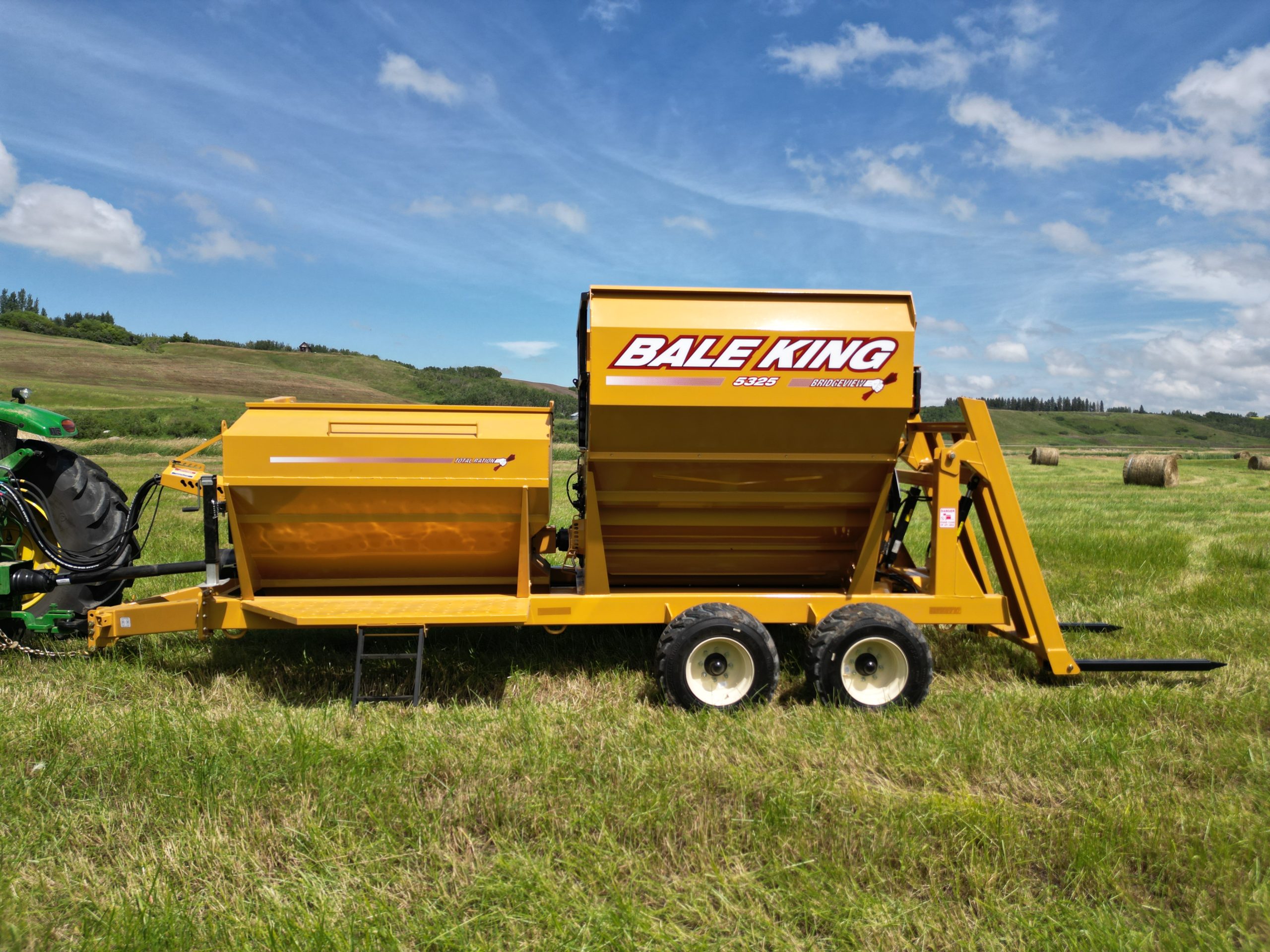
Bale Processor Safety: How to Operate a Bale Processor Safely
Operating heavy equipment like a bale processor is a routine part of farm life—but it’s also one of the areas where attention to detail pays off the most in preventing injury, downtime, and equipment damage. Whether you’re feeding livestock or prepping bedding, knowing how to operate a bale processor safely helps protect both your investment and the people working on your farm.
Here’s a practical, experience-based breakdown of key bale processor safety tips every farmer should follow.
1. Start with a Safety Mindset
Before you even hook up your bale processor, set the tone: safety matters. Like many farm tasks, bale handling can be dangerous—machinery-related incidents account for a high rate of farm injuries worldwide. Focusing on safe operation from the outset reduces risk in everyday tasks.
Have a plan before you start—know your processor’s capabilities and limitations. Always read and understand the manufacturer’s operator manual before running the machine.
2. Inspect Equipment & Loads Before Use
Before you engage the PTO (Power Take Off) or load the bale:
- Check the bale processor for loose bolts, worn parts, and intact safety guards
- Confirm all shields are in place—never run the machine without full protection around moving parts
- Remove rocks, debris, and twine from the chamber and around the rotor area—buildup can cause jams or damage
- Check your bales for damage or instability before lifting—lift damaged bales with caution
A quick walk-around before each session can save you from a costly accident down the line.
3. Hitch & Transport Safely
How you connect and move your bale processor matters:
- Use the proper safety chain and secure connections at the hitch
- Ensure your taillights are connected and working properly
- Fold the deflector up to reduce transport width through gates
- Choose a level route when transporting—avoid steep slopes and soft ground where the unit might tip or sway
Transport operation is just as critical as in-field processing—don’t rush it.
4. Load and Process with Care
Once you’re ready to work:
- Center each bale on the forks before feeding it into the processor to maintain balance and stability
- Position yourself and any helpers well clear of pinch points. Never stand near moving parts
- Stay clear of the discharge area. Rocks embedded in bales can be thrown over 100 feet!
- Keep the PTO at rated RPM—operating at manufacturer-recommended speeds ensures efficient processing and reduces strain on components
Always stop the tractor, set the brakes, and disengage the PTO before approaching the machine. Shut off the tractor and remove the key before attempting any inspection or repair of the processing chamber.
5. Stay Alert Around Moving Parts
A bale processor has many moving elements that can cause serious injury:
- Keep hands, feet, and clothing away from the PTO shaft and other rotating components
- Never crawl under raised forks without locking mechanisms in place
- Stay clear of chain conveyors as well as hydraulic wings and deflector panels
Following the manufacturer’s instructions and maintaining awareness of busy equipment zones are among the best bale processor safety tips.
6. Maintain Your Processor Regularly
Routine maintenance isn’t just good for longevity. It’s essential for safe operation in the field:
- Clear twine and net wrap off the rotor regularly to prevent excessive build up
- Inspect hydraulic hoses for cracks or wear, and check gearboxes for proper lubrication
- Run a short test after maintenance to listen for unusual noises that might indicate a problem
A well-maintained processor runs smoother, lasts longer, and is safer to operate season after season.
7. Train Everyone Who Uses the Equipment
Whether you’re training an experienced hand or a new helper:
- Walk through basic safety procedures before operation
- Review hazard areas and emergency shutdown procedures
- Reinforce that no one should operate equipment if they’re unsure how it works
A culture of training and continuous learning ensures bale processor safety is more than just a checklist, but becomes a habit.
Get the Job Done…Safely
Knowing how to operate a bale processor safely is as important as having the right machine for the job. From pre-operation checks to thoughtful handling and routine maintenance, being proactive about bale processor safety protects your team and your equipment—and helps make your farm run smoother all year long.
Whether you’re processing hay for your herd or managing bedding materials, these bale processor safety tips are practical, actionable steps that reinforce safe habits and smart decision-making on the farm.
For more information or to discuss which bale processor is right for your operation, contact Bridgeview Manufacturing today.