
- Call Us 1 306-745-2711
-
Follow Us

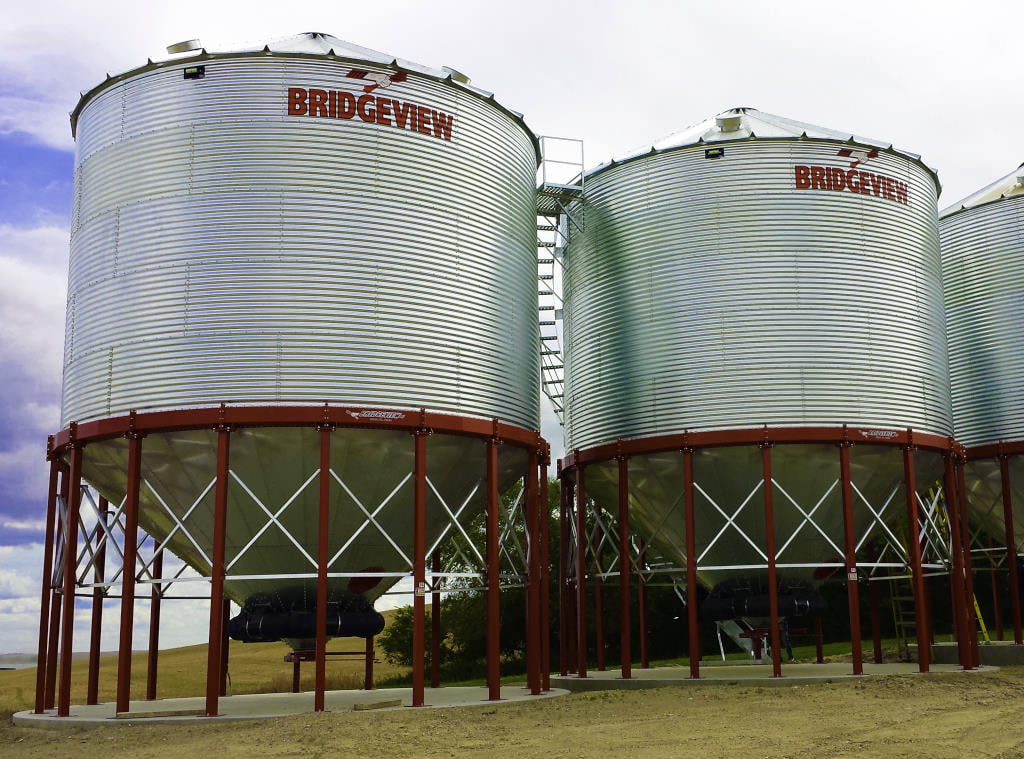
Hopper Cone Retrofit Quote Checklist: What to Measure Before You Order
Upgrading your existing flat-bottom grain bins with a hopper cone retrofit is one of the smartest investments you can make for your farm. It eliminates the gruelling physical labour of sweeping out bins, improves grain management, and speeds up your entire harvest and shipping workflow.
When our customers are ready to pull the trigger and ask for a quote, the two biggest questions we typically get are: “How much will it cost?” and “Will it fit my specific bin?”
To get a fast, accurate quote and ensure a seamless installation, manufacturers need precise details about your current setup. This hopper cone retrofit quote checklist outlines the exact measurements and bin details required to turn your flat-bottom bin into an efficient, self-cleaning storage system.
Why Accurate Information Matters
Providing your manufacturer with precise information upfront is the best way to move your project from the quote stage to the field without unnecessary headaches. Here is why taking the time to gather exact data matters:
- Cost Accuracy: Accurate measurements mean an accurate initial quote. It prevents unexpected price adjustments down the road and ensures you aren’t paying for rework or modifications that could have been avoided.
- Fabrication Fit: Not all grain bins are the same. Minor variations in bolt patterns, sheet gauges, and exact diameters dictate how the cone will be engineered. High-quality retrofit cones, like Bridgeview Manufacturing’s Bolt-Together Hopper Cones, are engineered for precise alignment, but they rely entirely on your initial specs to guarantee a perfect structural fit.
- Installation Efficiency: When the fabricated cone arrives at your farm, it should match your bin like a glove. Accurate upfront data ensures the installation crew can bolt everything together smoothly without on-site cutting or welding.
- Avoiding Delays: Missing or vague measurements lead to endless back-and-forth emails and phone calls, pushing your project down the fabrication queue. Getting it right the first time keeps your timeline on schedule before harvest hits.
The Essential Hopper Cones Measurements Checklist
Before you call or submit an online quote form, head out to the yard with a heavy-duty tape measure and note down these critical dimensions.
1. Bin Diameter and Brand
Start by noting the bin diameter and brand.
- Diameter: Standard sizes are often noted by the bin manufacturer as 14ft, 18ft, 21ft, etc.
- Brand: Bridgeview has 30+ years of history building hopper cones for a variety of grain bin brands. If your bin brand and diameter match our database of known brands, you can proceed to step 3.
2. Bin Circumference
For all other inquiries, bin circumference and bolt hole count are required.. Because minor fractions of an inch in diameter can add up over a large circle, measuring the circumference provides a crucial double-check for the fabrication team.
- Measure at the Corrugation Valley: Wrap your tape measure around the exterior of the bin. For the most accurate reading, pull the tape tight and measure along the inside valley of the corrugation, not the outer peak. Then, count the bolt holes around the circumference or, at a minimum, measure the center-to-center distance between them.
- Why it matters: This measurement dictates the exact perimeter of the top ring of the hopper cone, ensuring the bolt holes line up perfectly with your bin’s vertical seams.
3. Bin Height & Ring Count
The total height of your bin, along with the number of rings (tiers), determines the total capacity and weight of the grain column.
- Load & Discharge Implications: Higher bins hold more weight, which exerts greater downward and outward pressure on the hopper cone. In general, Bridgeview standard-duty cones are rated to 5 tiers, while our heavy-duty versions are built for up to 9 tiers.
4. Desired Cone Angle
Choosing the right slope for your hopper cones depends heavily on what you plan to store. Standard options generally include 40°, 45°, and 60° slopes.
- Steeper Angle = Better Flow: A standard 40° or 45° cone works beautifully for free-flowing dry grains like wheat, canola, or corn. However, if you plan to store feed, fertilizer, or high-moisture grain, which are prone to bridging and sticking, a steeper 60° cone is necessary to ensure a smooth, gravity-fed cleanout.
5. Options
There are a variety of options to consider, including the type of foundation, aeration, and accessories such as ladder extensions or staircases.
- Foundation: Are you planning a skid foundation or a concrete foundation?
- Aeration: Jetstream air can be added at any time, but the hopper cone can be prepped for easier installation at the time of purchase.
- Accessories: Consider factors such as accessibility when planning your hopper cone upgrade. We are ready to walk you through all the services we can provide.
Common Mistakes to Avoid
- Guessing Based on the Catalogue Size: Just because a bin was sold as a 19-foot bin 20 years ago doesn’t mean its actual footprint matches modern engineering specs. Best practice is to physically measure the bin.
- Ignoring Brand and Model Variations: Different grain bin manufacturers use distinct bolt spacings, corrugation depths, and sheet lengths. Always note the brand of the bin if the ID plate is still visible.
- Measuring a Warped Ring: If the bottom ring of your bin has suffered minor damage from a tractor or shifting foundations, measure a ring higher up to give the fabricator an accurate depiction of the bin’s true shape.
Ready to Upgrade Your Grain Storage?
Eliminate the shovel and streamline your yard logistics this season. Gather your bin measurements and reach out to the team at Bridgeview Manufacturing today to get a fast, precise quote on a heavy-duty, industrial-grade bolt-together hopper cone retrofit.
Contact Bridgeview Manufacturing to start building yours!
Frequently Asked Questions
Can any grain bin be converted to a hopper bottom?
Most standard smooth-wall and corrugated flat-bottom grain bins can be retrofitted with a hopper cone. However, the bin must be structurally sound. Bins with severe rust, buckled sheets, or significant structural compromise may not safely support the shifted weight dynamics of a hopper bottom.
What is the best hopper cone angle?
For standard cereal grains and oilseeds, a 40° or 45° is most efficient and cost-effective. For heavier, stickier materials like fertilizer, feed, or high-moisture commodities, we recommend a steeper 60° angle.
What is the typical lead time for delivery?
Most hopper cones can be shipped within 6-8 weeks, though larger orders may take longer. Shipping and installation time must also be considered. To ensure your hopper cone is ready when you need it, request your quote several months before harvest.